


 Upholstered furniture
 Sofas
Sofas Sofa beds
 Upholstered furniture sets
 Armchairs
 U-shaped corner sofas
 Chaise longues
 Upholstered benches
 Ottomans
 Recliners
 All upholstered furniture
 Storage furniture
 Living room sets
 Chests of drawers
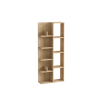 Bookcases
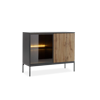 Sideboards
 Wardrobes
 TV stands
 Wall shelves
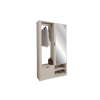 Hallway sets
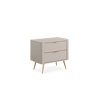 Bedside tables
 Kitchen sets
 Bathroom furniture
 Office sets
 Tables and chairs
 Tables
 Coffee tables
 Console tables
 Office desks
 Chairs
 Bar stools
 Beds
Beds Beds
Beds Double beds
 Single beds
 Continental beds
 Bunk beds
 Wall beds
 Storage beds
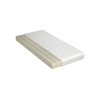 Mattresses
 Bed slats
 Beds with mattress
 Furniture sets
 Children room sets
 Living room sets
 Outdoor furniture sets
 All furniture
 All living room furniture
 Sofa beds
 Armchairs
 Dressing tables
 All bedroom furniture
 Modular kitchen cabinets
 Tables
 Kitchen corners
 All kitchen and dining furniture
 All hallway furniture
 All office furniture
 Bathroom cabinets
 All bathroom furniture
 Beds
Beds Wardrobes
 Desks
Desks All children's furniture
 Table and chairs sets
 Outdoor sofas
 Hanging chairs
 Balcony furniture sets
 Outdoor armchairs
 Outdoor chairs
 Outdoor tables
 Outdoor coffee tables
 Outdoor sunbeds
 Wooden outdoor furniture
 All outdoor furniture
How to choose the right mattress?
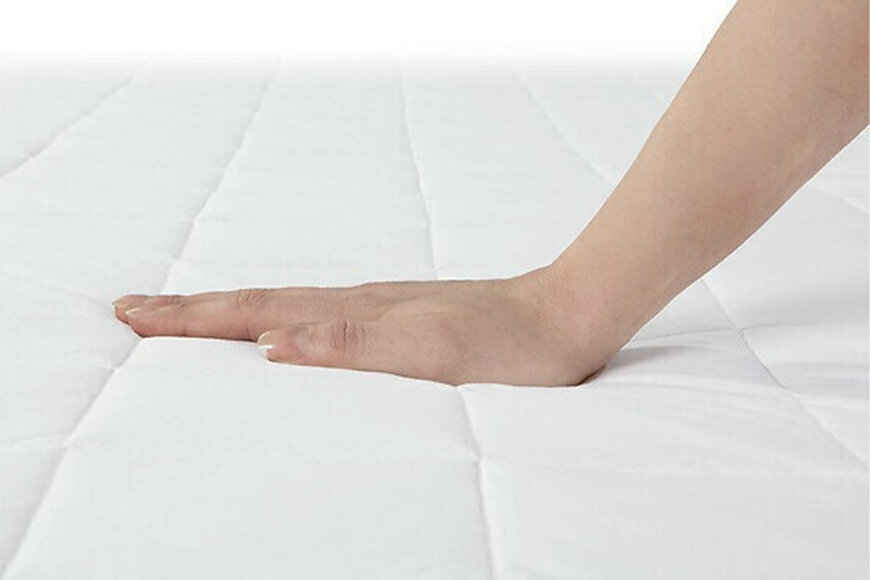

Quality sleep starts with choosing the right mattress. It should not only be comfortable but also suit your body’s needs, sleep habits, and bed structure. Here are some simple tips to help you find a mattress that offers both comfort and durability.
Types of mattresses – what to know
When choosing a mattress, it’s important to first decide on the type. Each has its own benefits, so consider your personal needs carefully.
- Spring mattresses are a classic and popular choice. Bonell-type springs provide firm support, while pocket springs adapt to the shape of your body and reduce movement transfer between sleeping partners.
- Foam mattresses are made from polyurethane or viscoelastic foam. They gently contour to your body, especially heat-sensitive models, and are completely silent as they contain no springs.
- Latex mattresses are naturally elastic, breathable, and resistant to dust mites – ideal for allergy sufferers or anyone who prefers a cooler sleeping environment.
Hardness levels – what do H1, H2, H3 and H4 mean?
The firmness of a mattress has a direct impact on sleep quality. Firmness is marked with the letter H and a number, depending on body weight:
- H1 – soft, suitable for people up to 60 kg.
- H2 – medium soft, ideal for 50–80 kg.
- H3 – medium firm, designed for 70–110 kg.
- H4 – firm, for people over 100 kg.
Keep in mind that firmness levels can vary slightly between manufacturers, so it’s always a good idea to ask a sales advisor for guidance.
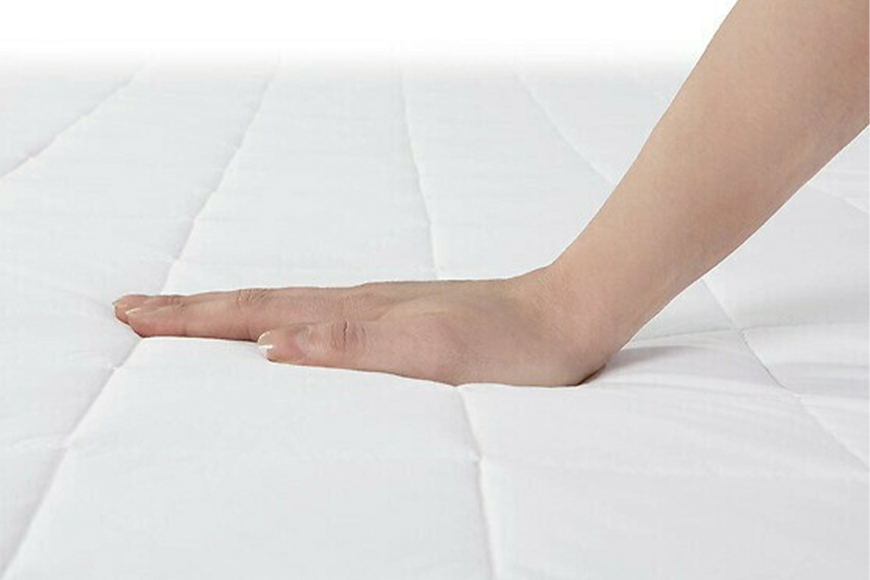
Mattress height: why is it important?
The optimal mattress height is usually between 17 and 25 cm, depending on your bed frame and the mattress type.
- The mattress should sit at least 5–10 cm above the bed frame to allow proper air circulation and hygiene.
- A mattress that’s too thin may lose shape more quickly, while one that’s too thick can interfere with bed mechanisms or feel too high for shorter users.
Extra features that enhance sleep quality
- Anti-allergy covers – removable and washable, helping to keep your mattress clean and suitable for sensitive sleepers.
- Zonal construction – some mattresses feature specific support zones (for shoulders, hips, or waist), which help maintain correct posture.
- Air permeability – essential if you tend to overheat during sleep. Spring and latex mattresses usually offer better ventilation than solid foam ones.
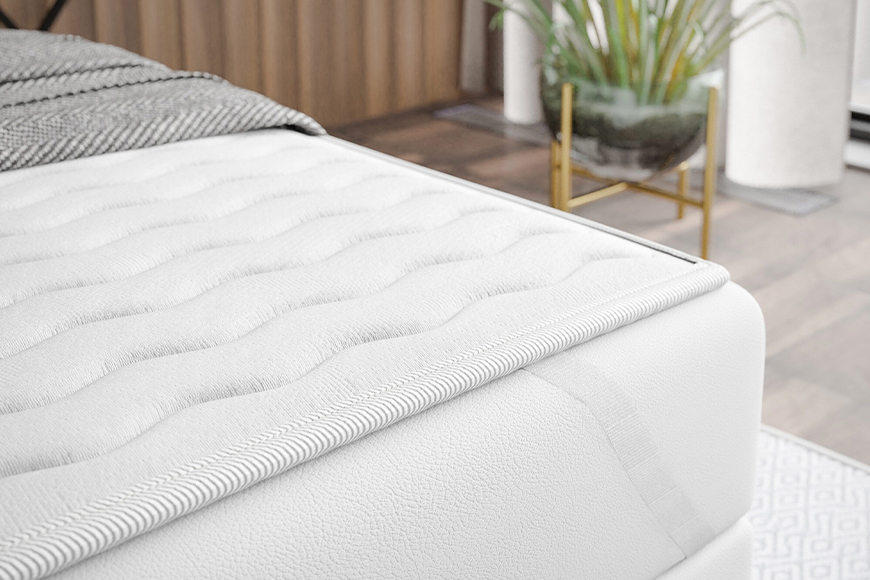
How to customize a mattress to your needs?
The best mattress is one that:
- matches your weight and sleeping position,
- suits your bed type and height,
- provides the right firmness,
- supports good hygiene,
- ensures proper air circulation.
If you’re unsure which mattress to choose, our specialists are happy to help you find one that fits your individual needs.
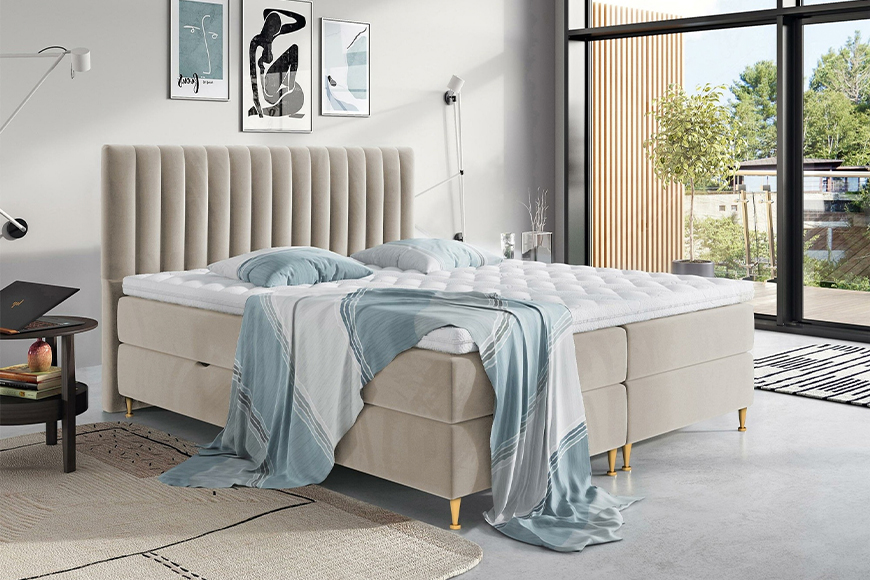
Looking for a new mattress? Visit our online shop’s mattress section, where you’ll find a wide range of spring, foam, and latex mattresses to suit every preference. Treat yourself to the sleep you deserve – comfortable and peaceful, every night.