

 Upholstered furniture
 Sofas
Sofas Sofa beds
 Upholstered furniture sets
 Armchairs
 U-shaped corner sofas
 Chaise longues
 Upholstered benches
 Ottomans
 Recliners
 All upholstered furniture
 Storage furniture
 Living room sets
 Chests of drawers
 Bookcases
 Sideboards
 Wardrobes
 TV stands
 Wall shelves
 Hallway sets
 Bedside tables
 Kitchen sets
 Bathroom furniture
 Office sets
 Tables and chairs
 Tables
 Coffee tables
 Console tables
 Office desks
 Chairs
 Bar stools
 Beds
Beds Beds
Beds Double beds
 Single beds
 Continental beds
 Bunk beds
 Wall beds
 Storage beds
 Mattresses
 Bed slats
 Beds with mattress
 Furniture sets
 Children room sets
 Living room sets
 Outdoor furniture sets
 All furniture
 All living room furniture
 Sofa beds
 Armchairs
 Dressing tables
 All bedroom furniture
 Tables
 Kitchen corners
 All kitchen and dining furniture
 All hallway furniture
 All office furniture
 Bathroom cabinets
 All bathroom furniture
 Beds
Beds Wardrobes
 Desks
Desks All children's furniture
 Table and chairs sets
 Outdoor sofas
 Hanging chairs
 Balcony furniture sets
 Outdoor armchairs
 Outdoor chairs
 Outdoor tables
 Outdoor coffee tables
 Outdoor sunbeds
 Wooden outdoor furniture
 All outdoor furniture
How furniture colours change the atmosphere of a room: colour psychology in the interior?
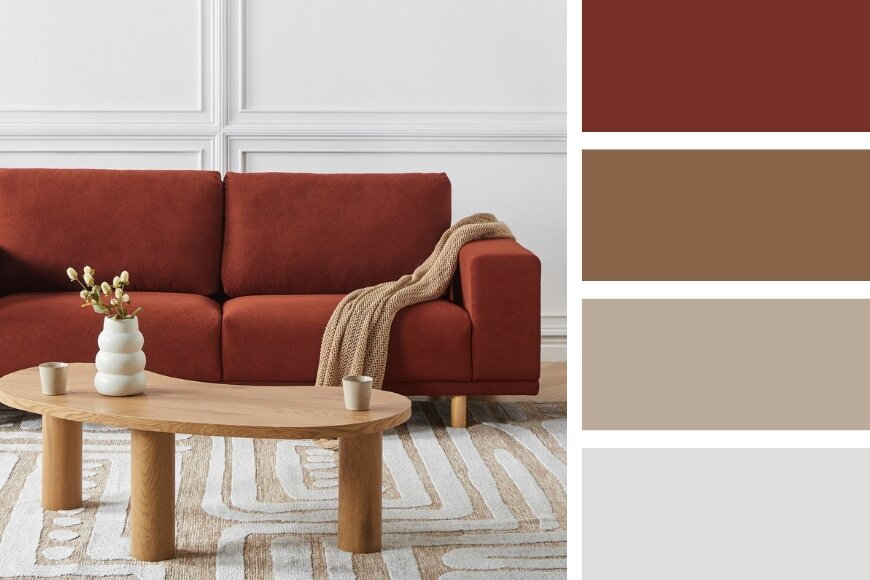
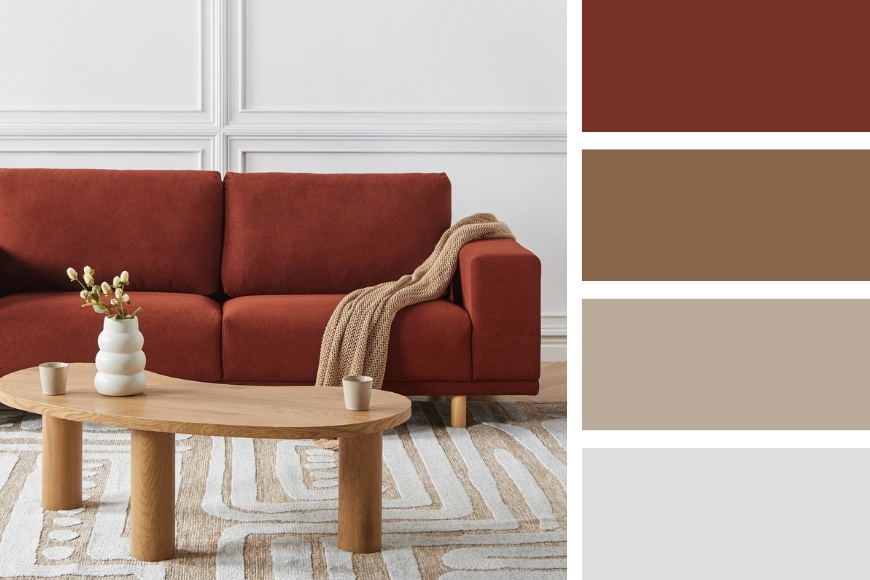
Furniture colours have a big impact on our emotions, mood, and even behaviour. By choosing the right shades, we can not only create an appealing environment but also shape the atmosphere of a room to suit its purpose and enhance our well-being.
Warm colours – energy and comfort
Warm colours such as red, orange, or yellow bring vitality and warmth to a room. They encourage social interaction, making them perfect for a living or dining room.
- Red sofas or armchairs can be a bright accent that draws attention.
- Yellow dining chair covers or decorative cushions can lift your mood and make the space feel cosy.
It’s important not to overload the interior with warm tones – they work best when balanced with a neutral background.
Cool colours – peace and relaxation
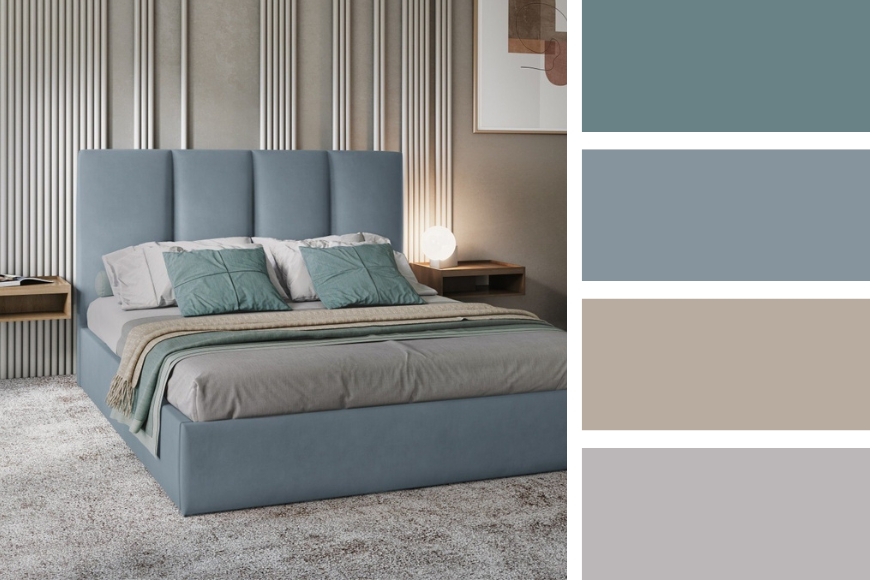
Blue, green, and purple tones in the interior bring freshness and a relaxing calm.
- Light blue sofas or beds are perfect for relaxation areas, as they create a feeling of airiness.
- Green armchairs or wardrobe details reflect nature and balance.
- Purple accents add subtlety and sophistication to the space.
These colours work well in both bedrooms and study rooms, where rest and focus are key.
Neutral colours – the base of harmony
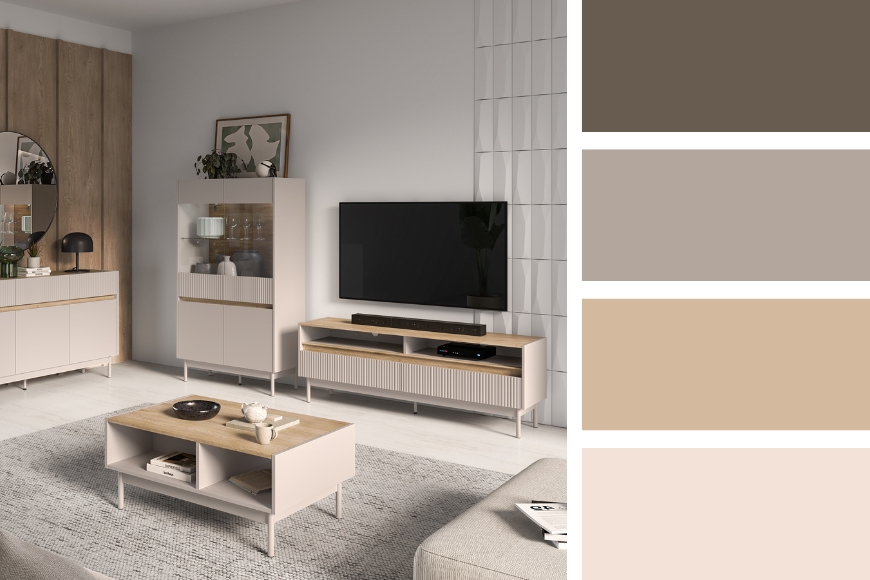
Grey, white, beige, and cream are universal, easy-to-match shades that create an elegant background – the base of the interior.
- White chests of drawers or beige cabinets give the room a sense of cleanliness and lightness.
- Grey coffee tables or sofas make it easy to combine brighter accents depending on the season.
Neutral furniture gives you freedom to change interior details while keeping the space modern and inviting.
Colour psychology based on room purpose
- In shared areas like the living or dining room, choose warm, energetic colours that encourage communication.
- In bedrooms or study areas, cooler, calming tones are more suitable.
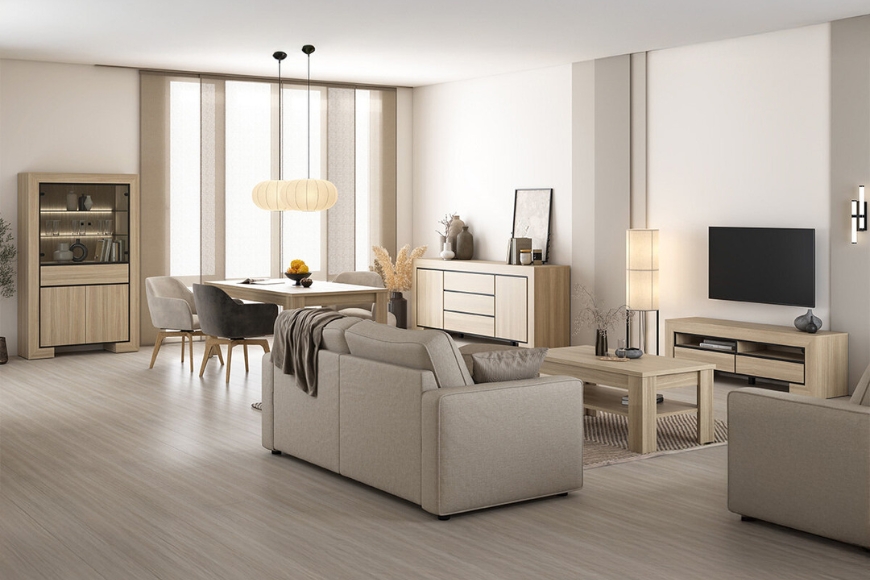
- Light-coloured furniture is always recommended for smaller spaces, as it visually enlarges the room.
Additional interior design tips
- Glossy surfaces and glass furniture reflect light and make the space feel lighter.
- Choose furniture with slim, high legs to make the room appear more spacious.
- Match your furniture colours with the tones of the walls and floors to create seamless harmony.
Furniture colours that set the mood at home
Choosing colours for your interior is a powerful way to shape the mood and atmosphere. By understanding colour psychology, you can choose furniture that not only looks stylish but also enhances your daily comfort and sense of well-being.