

 Upholstered furniture
 Sofas
Sofas Sofa beds
 Upholstered furniture sets
 Armchairs
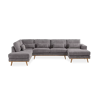 U-shaped corner sofas
 Chaise longues
 Upholstered benches
 Ottomans
 Recliners
 All upholstered furniture
 Storage furniture
 Living room sets
 Chests of drawers
 Bookcases
 Sideboards
 Wardrobes
 TV stands
 Wall shelves
 Hallway sets
 Bedside tables
 Kitchen sets
 Bathroom furniture
 Office sets
 Tables and chairs
 Tables
 Coffee tables
 Console tables
 Office desks
 Chairs
 Bar stools
 Beds
Beds Beds
Beds Double beds
 Single beds
 Continental beds
 Bunk beds
 Wall beds
 Storage beds
 Mattresses
 Bed slats
 Beds with mattress
 Furniture sets
 Children room sets
 Living room sets
 Outdoor furniture sets
 All furniture
 All living room furniture
 Sofa beds
 Armchairs
 Dressing tables
 All bedroom furniture
 Tables
 Kitchen corners
 All kitchen and dining furniture
 All hallway furniture
 All office furniture
 Bathroom cabinets
 All bathroom furniture
 Beds
Beds Wardrobes
 Desks
Desks All children's furniture
 Table and chairs sets
 Outdoor sofas
 Hanging chairs
 Balcony furniture sets
 Outdoor armchairs
 Outdoor chairs
 Outdoor tables
 Outdoor coffee tables
 Outdoor sunbeds
 Wooden outdoor furniture
 All outdoor furniture
How to arrange furniture properly in a room?

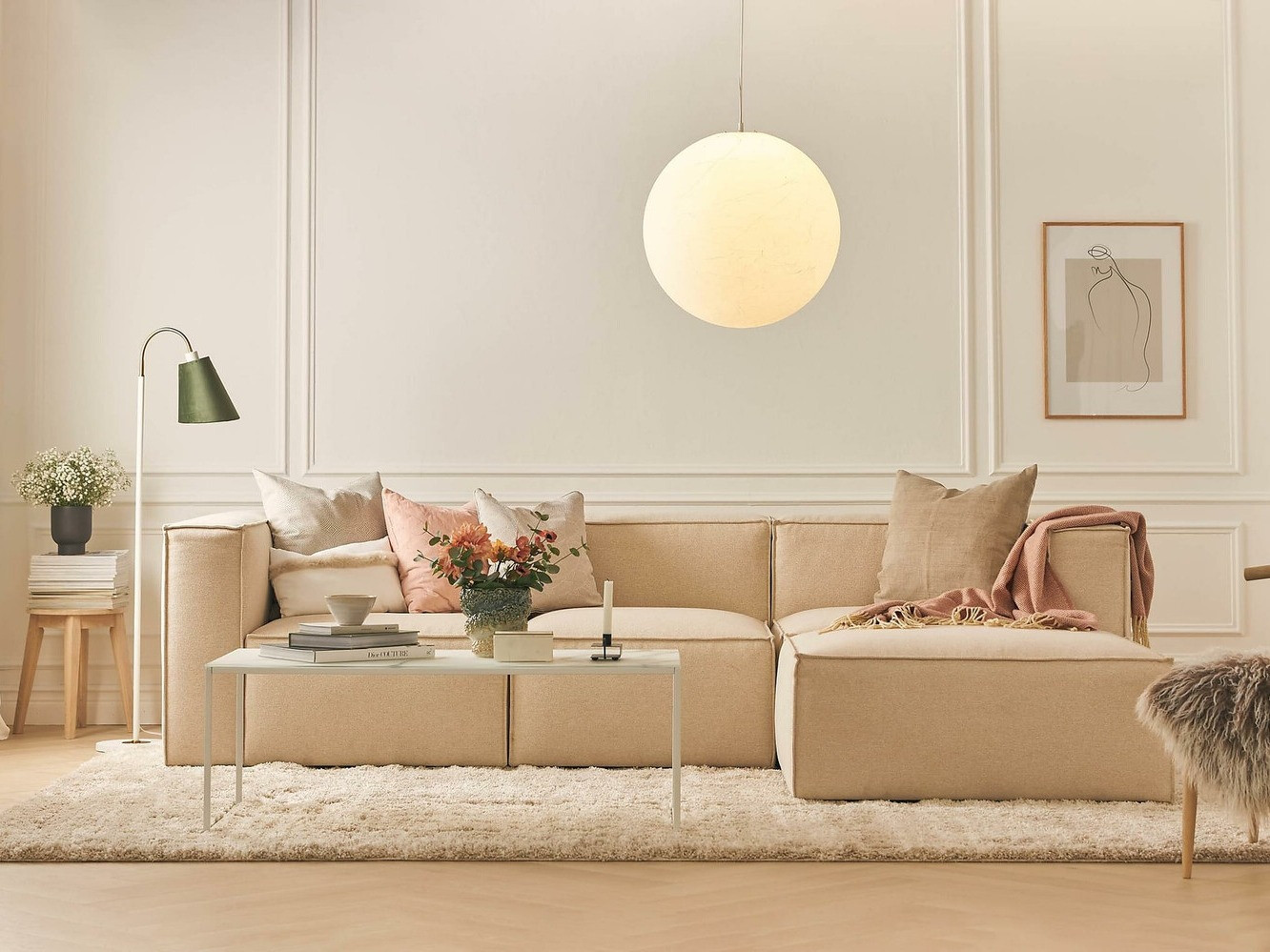
Proper furniture arrangement is not just an aesthetic choice – it’s the foundation of a comfortable, functional, and inviting space. Even the most beautiful furniture can feel out of place if positioned incorrectly. That’s why we’re sharing practical tips to help you make the most of your space and create a harmonious home.
Furniture arrangement rules and visual balance
It’s not only what furniture you choose that matters, but also how you arrange it. A well-balanced layout creates visual harmony and a welcoming atmosphere. For instance, placing a U-shaped sofa near a window can make the room feel more spacious and allow you to take advantage of natural light. Positioning smaller pieces near the door can create a more private, separate zone.
Avoid pushing all furniture against the walls – leave enough space around each piece for easy movement and to allow the furniture to serve its full purpose. In smaller rooms, consider placing furniture closer together to enhance the feeling of cosiness.
The focal point and freedom of movement
When planning a layout, start with the main piece of furniture – such as a sofa, dining table, or a comfortable armchair. This becomes the focal point of the room, with other pieces and accessories arranged around it. Avoid cluttering the space with too many items, as this can distract from the main feature and make the room feel cramped.
For comfortable movement, leave at least 90 cm of clear space between furniture and near doorways. This ensures a smooth flow, making the room feel both open and inviting.
Arranging furniture according to room shape and function
If your room’s length and width are similar, a central layout is most effective. For example, place a coffee table in the middle, surround it with a sofa bed and a couple of armchairs positioned at an angle. The TV can be mounted or placed on a side wall, opposite a small chest of drawers or glass-fronted cabinet. Side areas can include additional furniture such as pouffes or sideboards to complement the interior without overwhelming it.
Depending on your family’s needs, you can divide the room into zones – for instance, a children’s play area with bookcases for toys, and a relaxation zone with beanbags or other soft furniture.
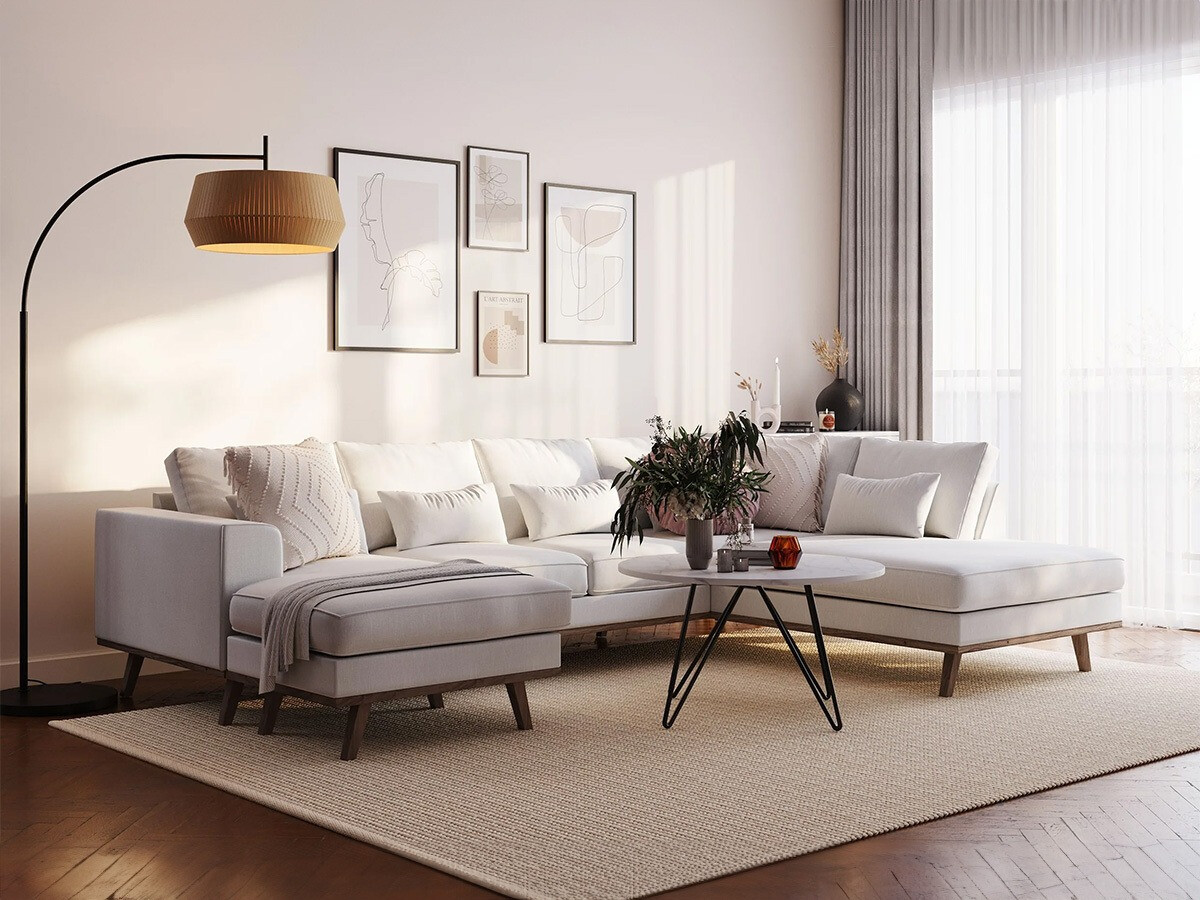
Practical tips for small spaces
In compact rooms, opt for multifunctional furniture such as sofa beds or storage beds. These pieces help save space and maintain tidiness. Mirrors are also an excellent choice – they visually expand the space and bring in more light.
.jpg?1764668582632) |
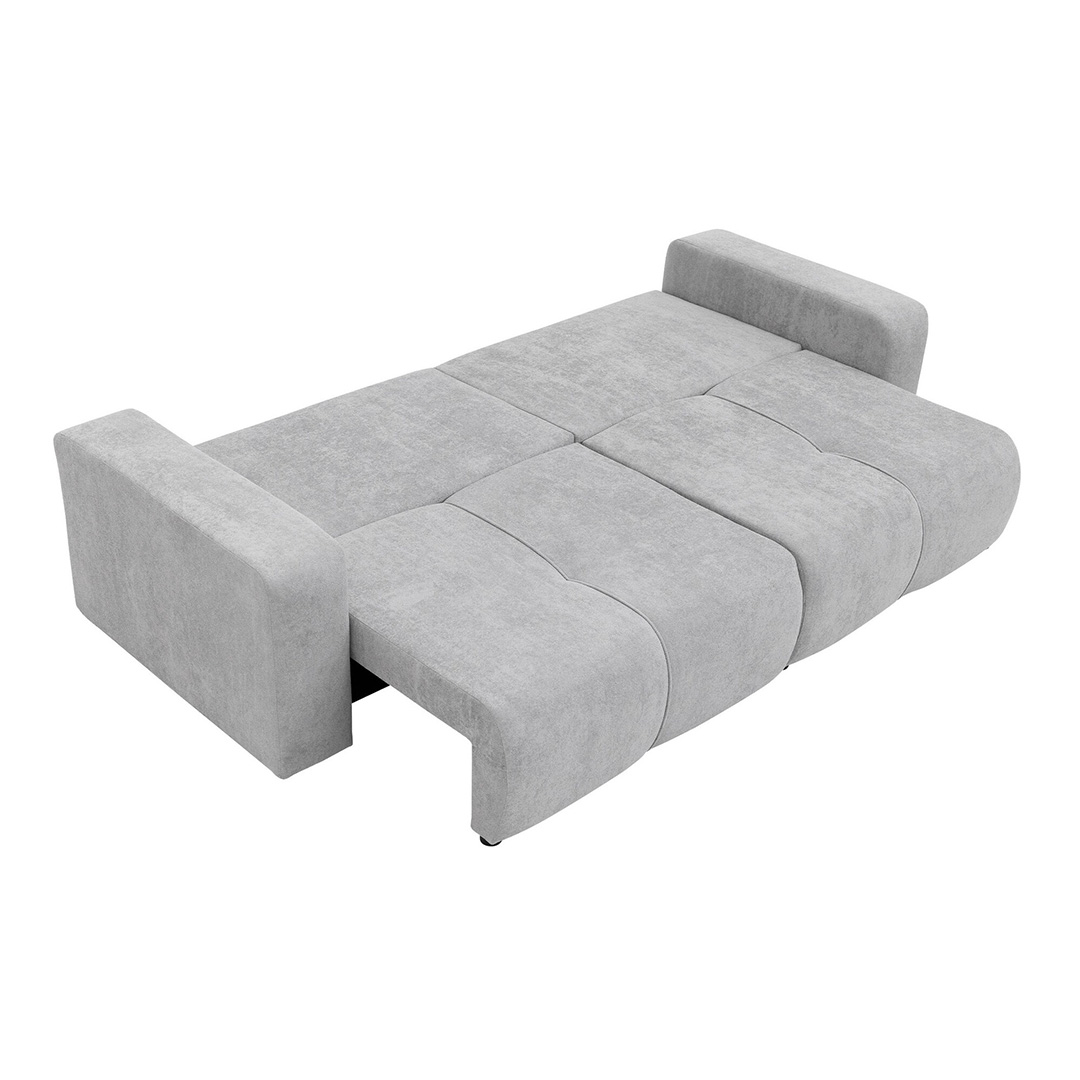 |
Thoughtfully arranged furniture not only enhances the room’s look but also its comfort and practicality. Focus on establishing a central composition, maintaining free movement, and ensuring visual balance. In smaller spaces, use multifunctional solutions to achieve both comfort and style. By following these principles, you’ll create a home that feels truly pleasant to live in.
Tip:
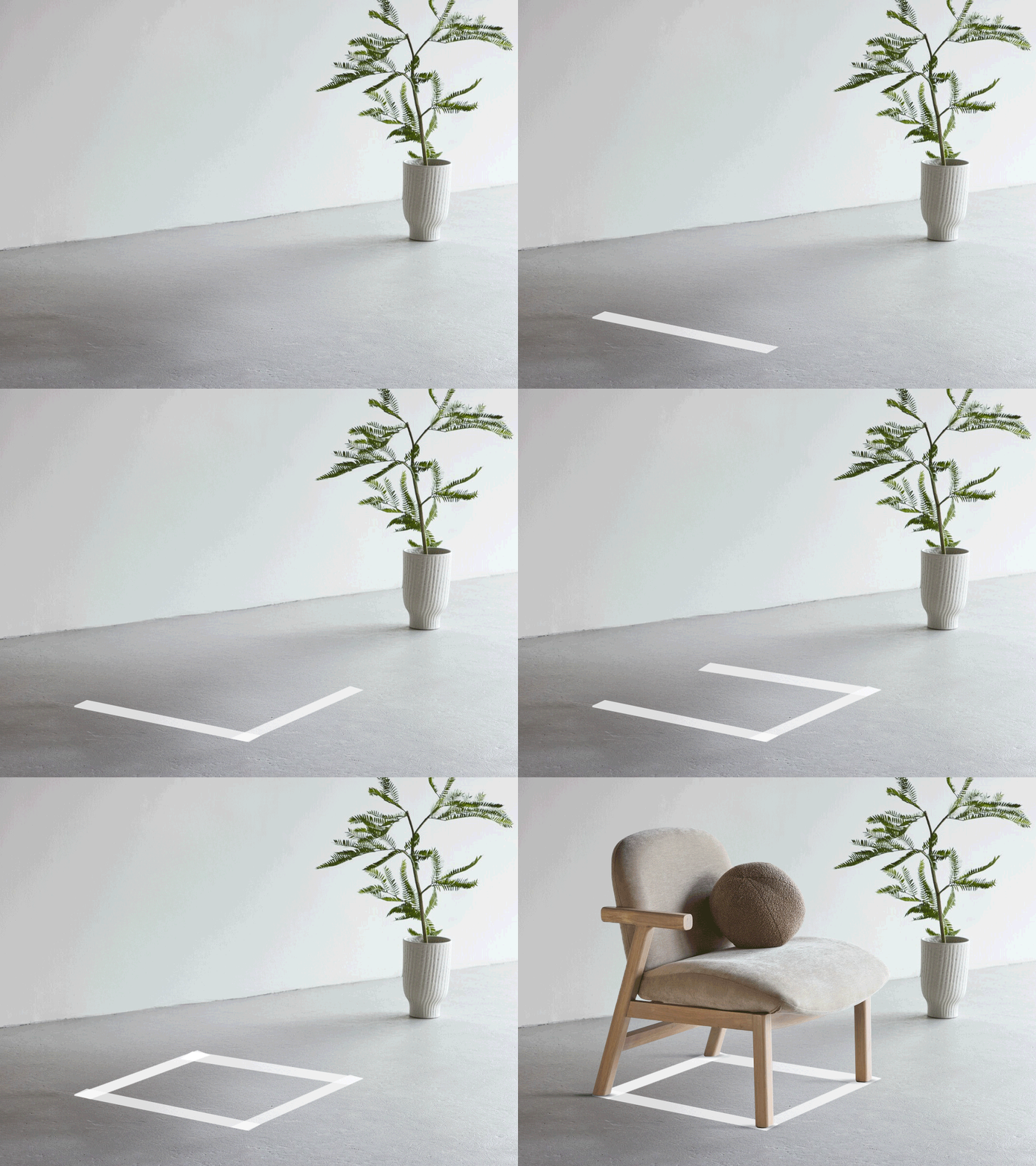
Once you’ve chosen your desired furniture, check the measurements and mark its outlines on the floor using masking tape. This simple step helps you visualise how much space the furniture will occupy and how much room will remain for movement. It also ensures the pieces are well-proportioned and suited to the room’s layout.
If you’d like more guidance or professional help with furniture planning, feel free to contact us or explore our furniture collection – we’ll help you find solutions that fit your home perfectly.